
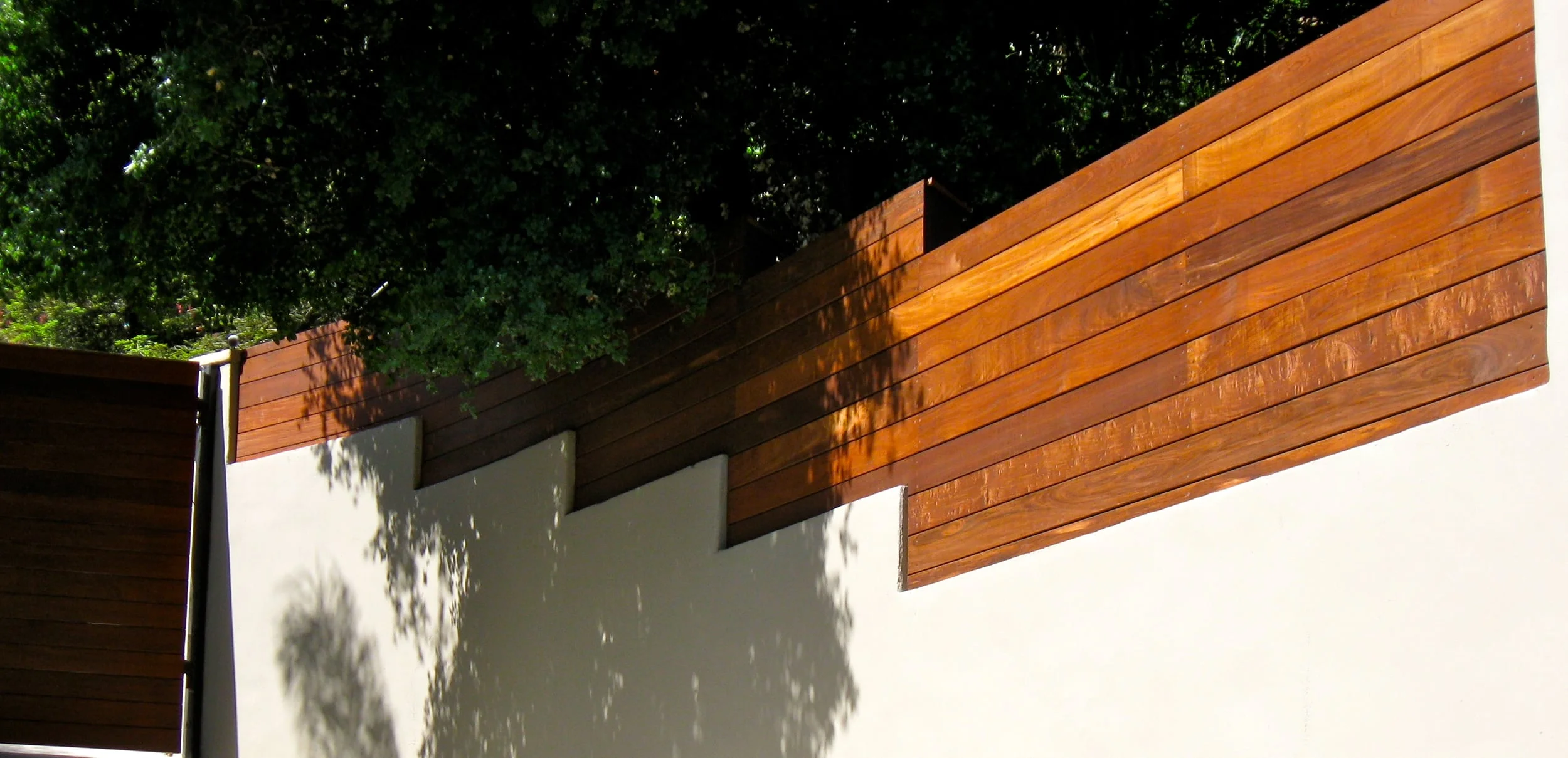
Wall Extensions & Wall Topper Installation in Los Angeles, Ca.
Best Wall Topper Installations in Los Angeles
Wall extensions update the look of your home without the expense of a brand new fence. Wall extensions allow you to have the privacy you desire while complimenting your outdoor area. Raising the height of your wall in beauty makes way for a whole new area for entertainment, or simply relaxing. Either way, your wall extension also causes privacy to mute occasional noises from neighbors, helps protect your property, and keeps it secure.
Select from a variety of our designs of wall toppers in so many styles, shapes and sizes. From plexiglass to custom wood designs, all of our materials are sealed and protected from the elements to ensure your fence topper lasts.
Clear Redwood, Ipe, Mangaris, Balau, Tongue and Groove
Frame work is out of pressure treated wood or steel.
310-736-2674

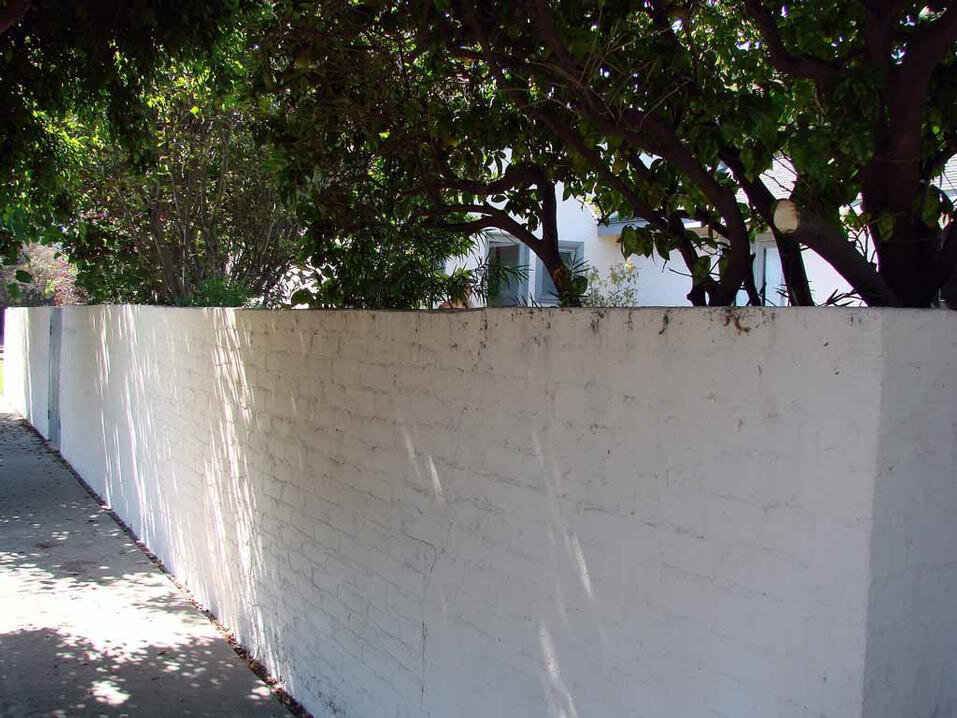
Block Wall - BEFORE
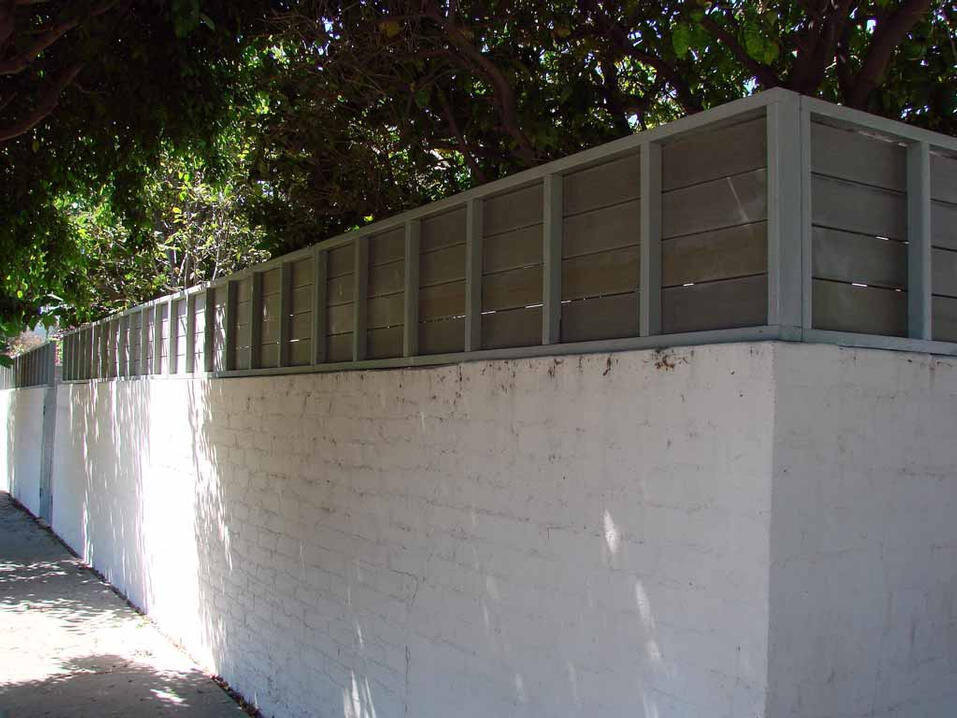
Composite - Trex - Wall Extension - Wood Frame


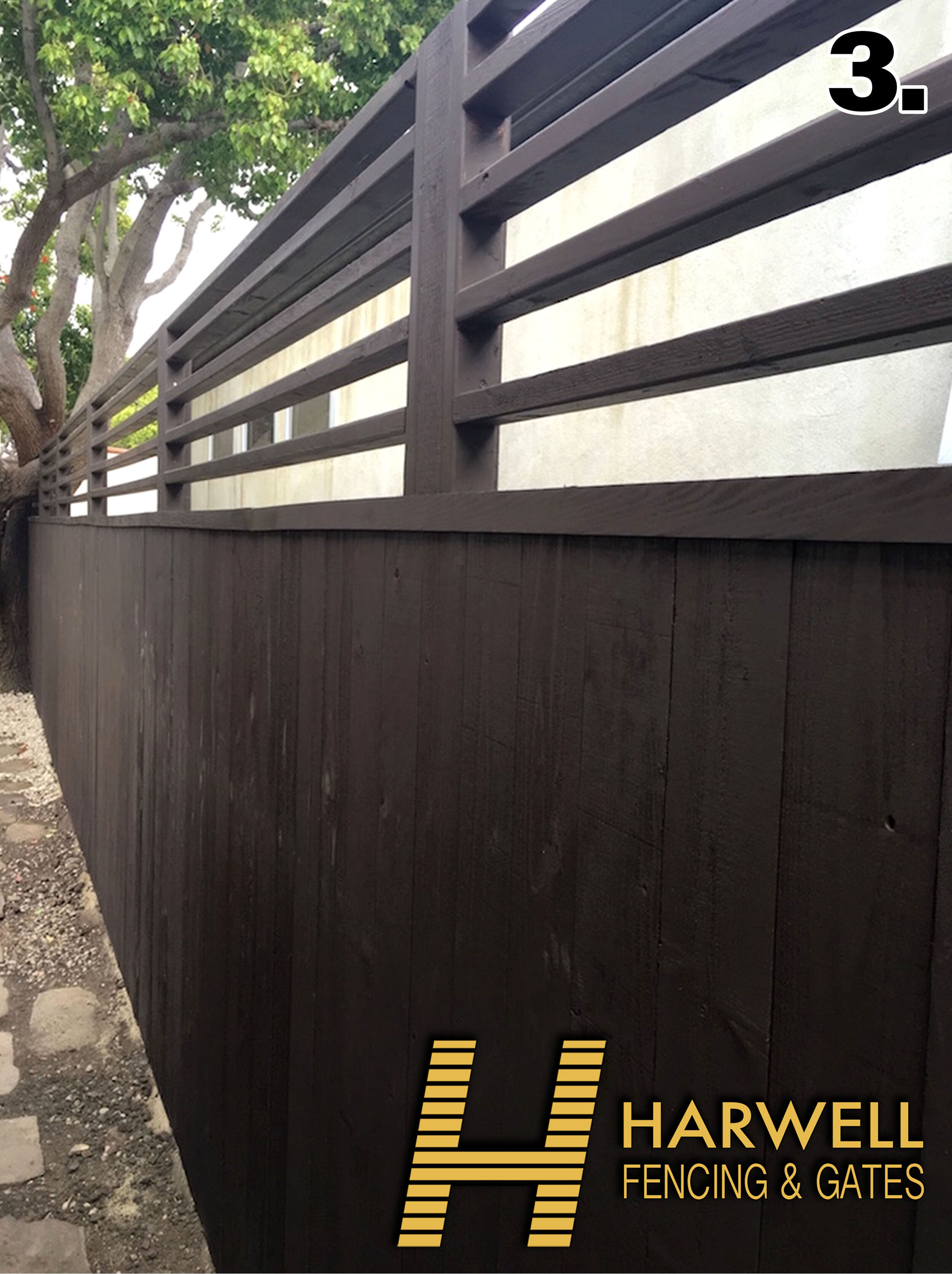

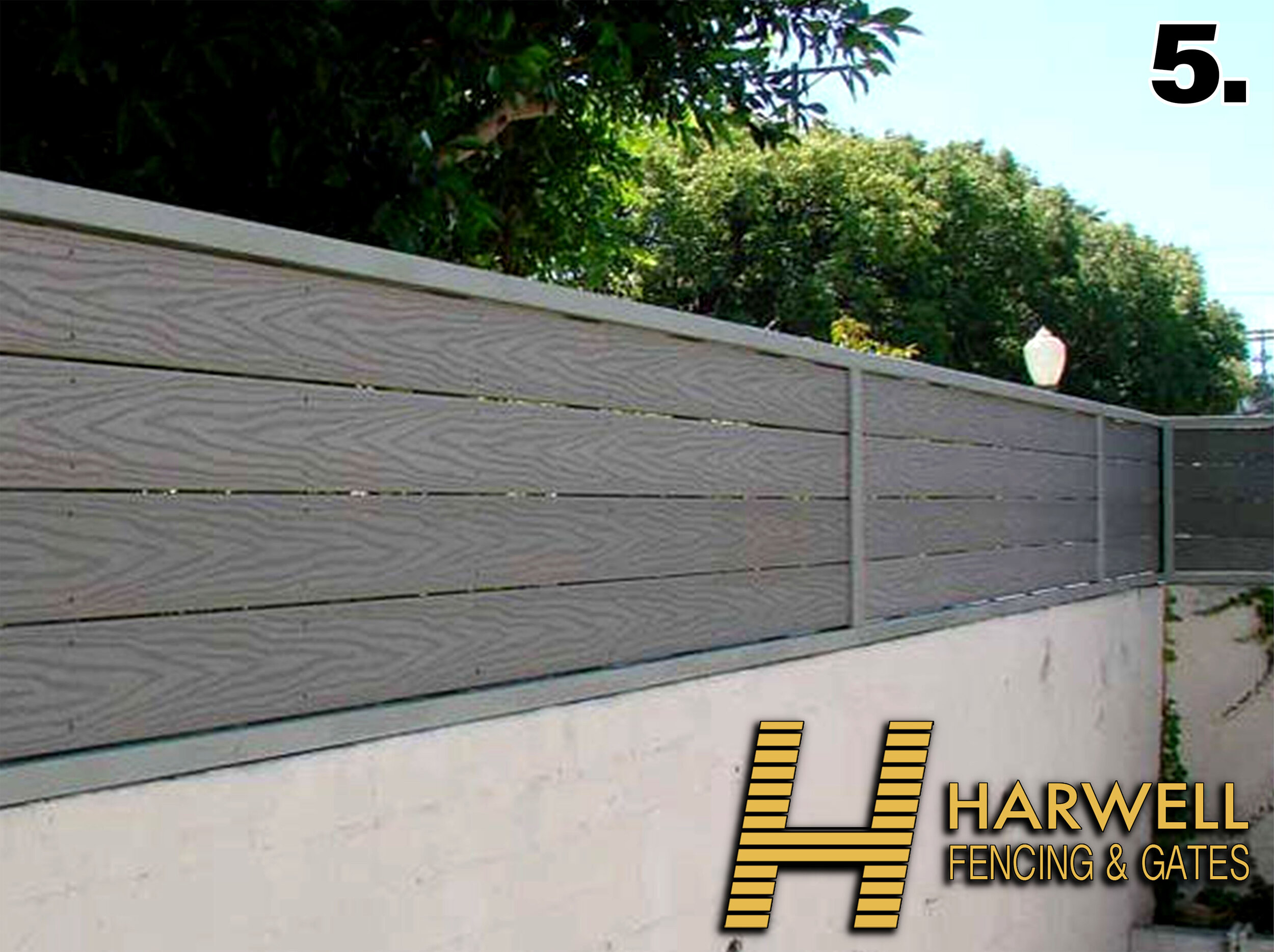


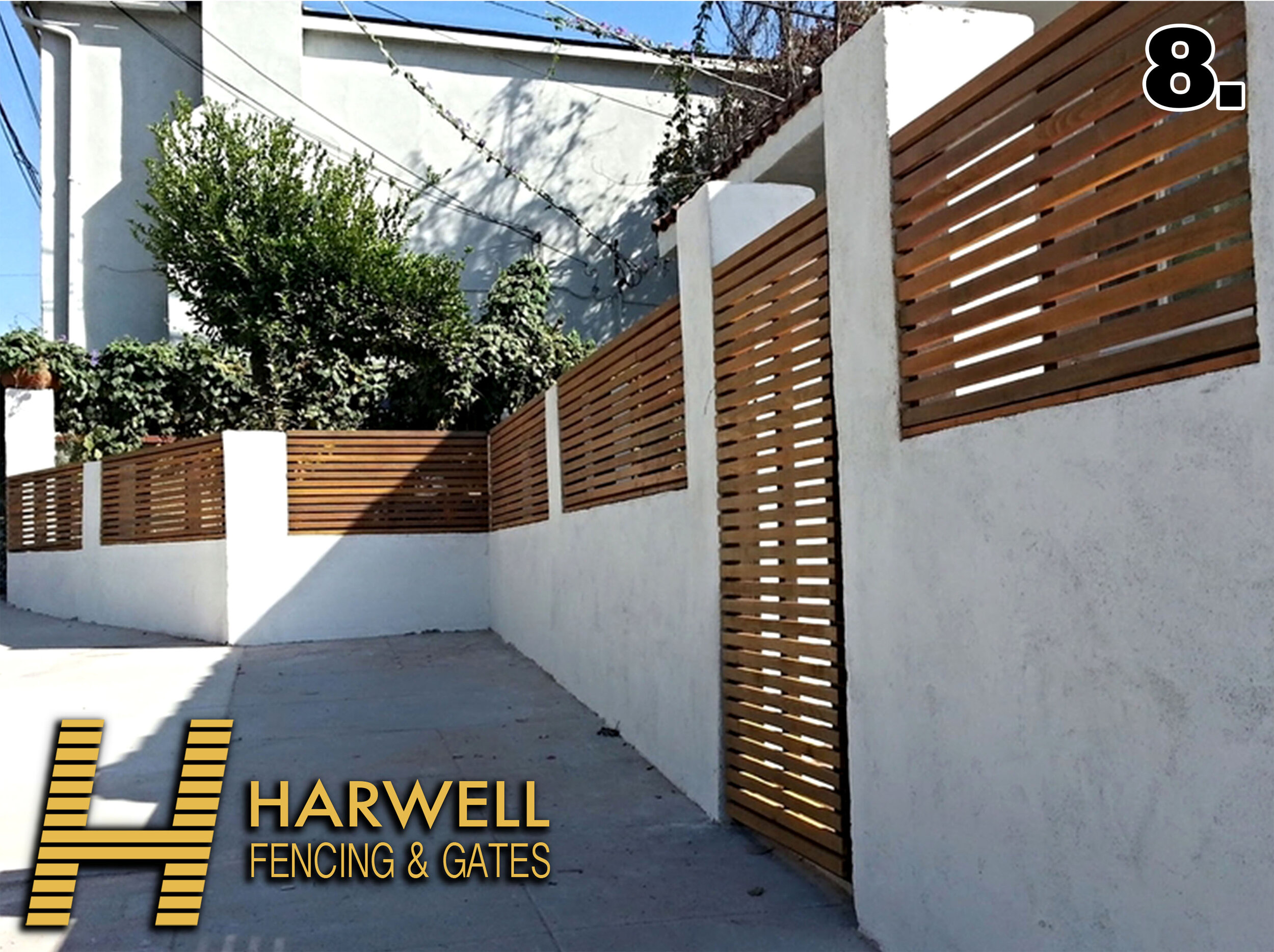

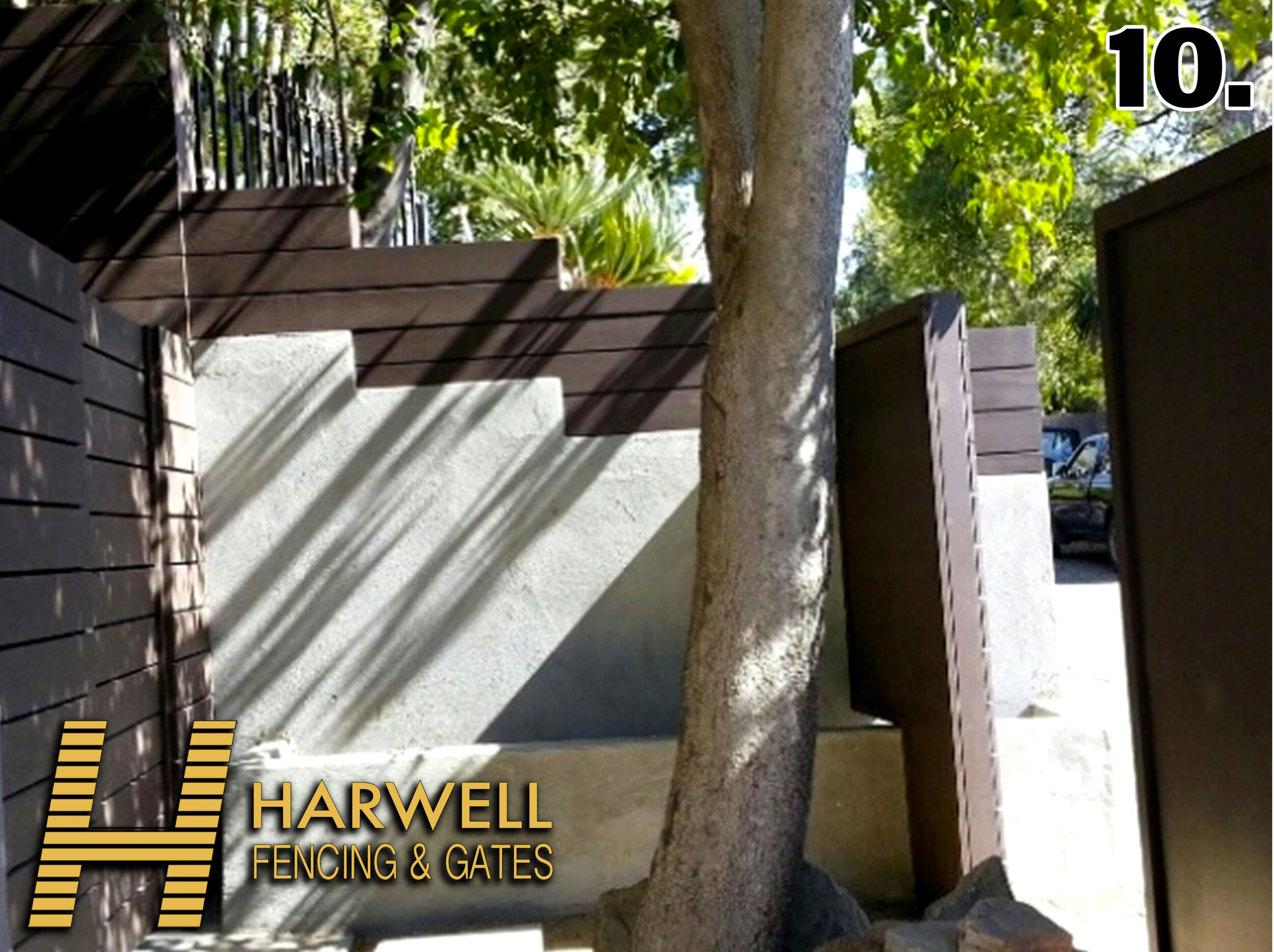
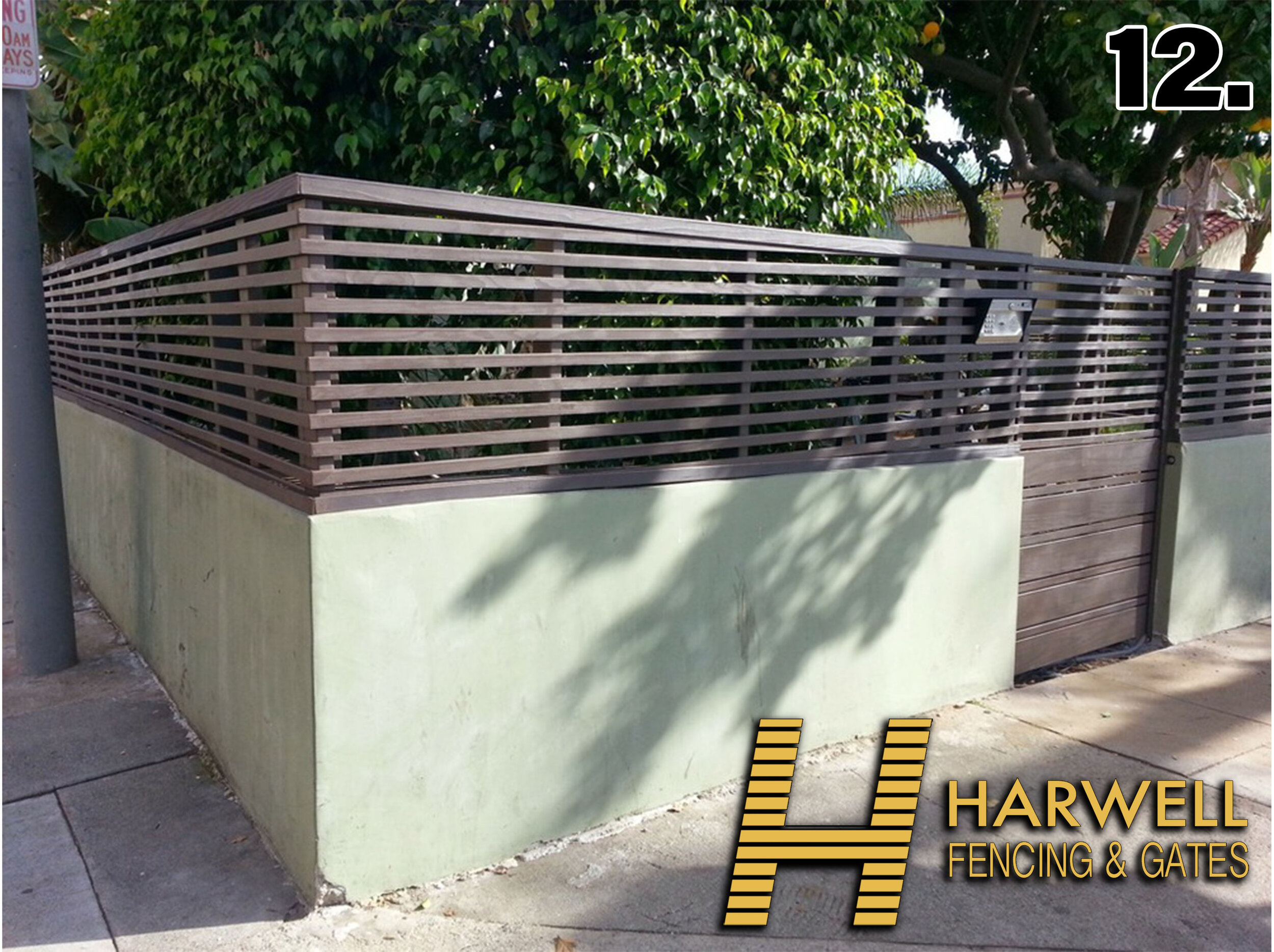


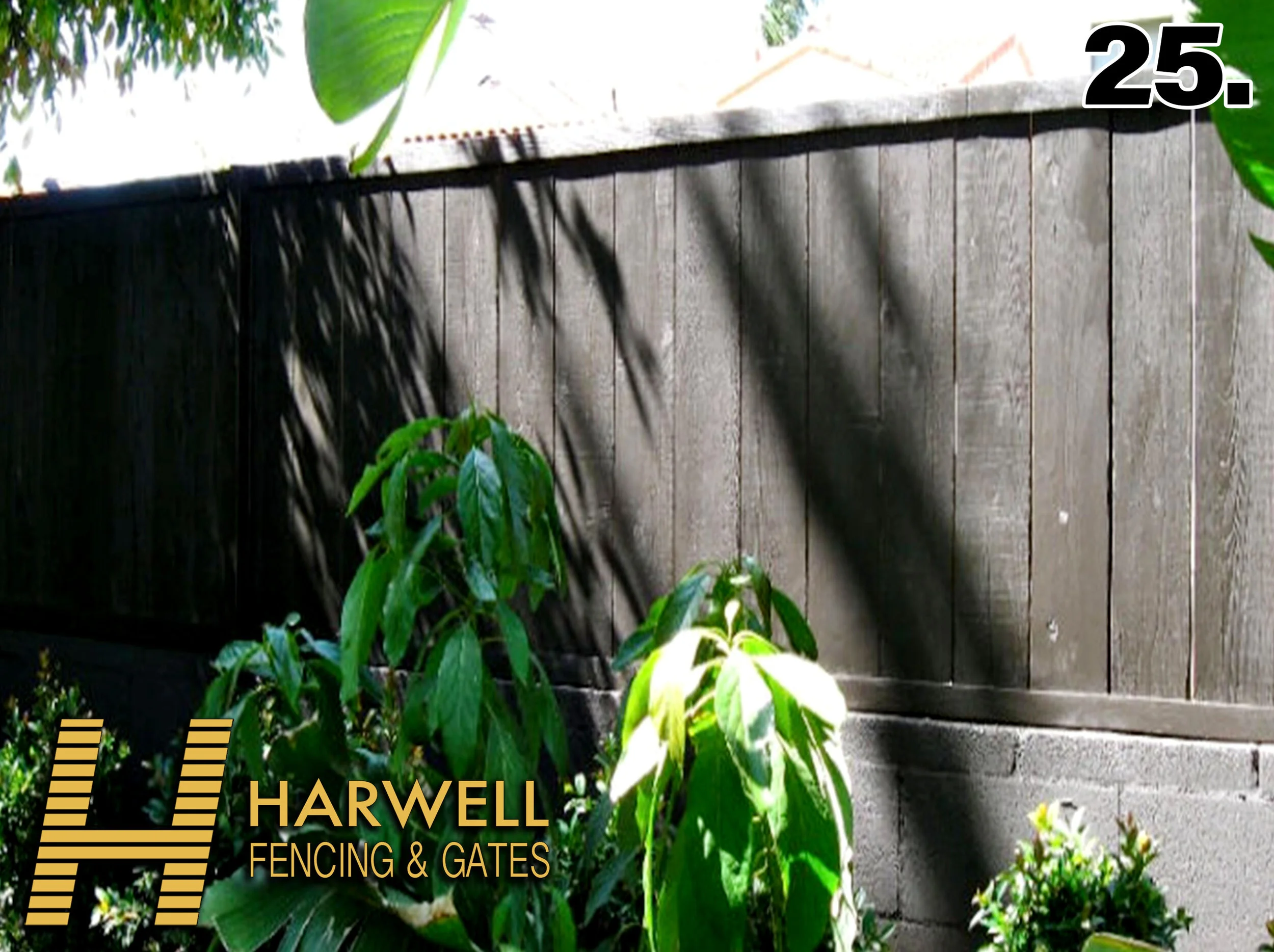


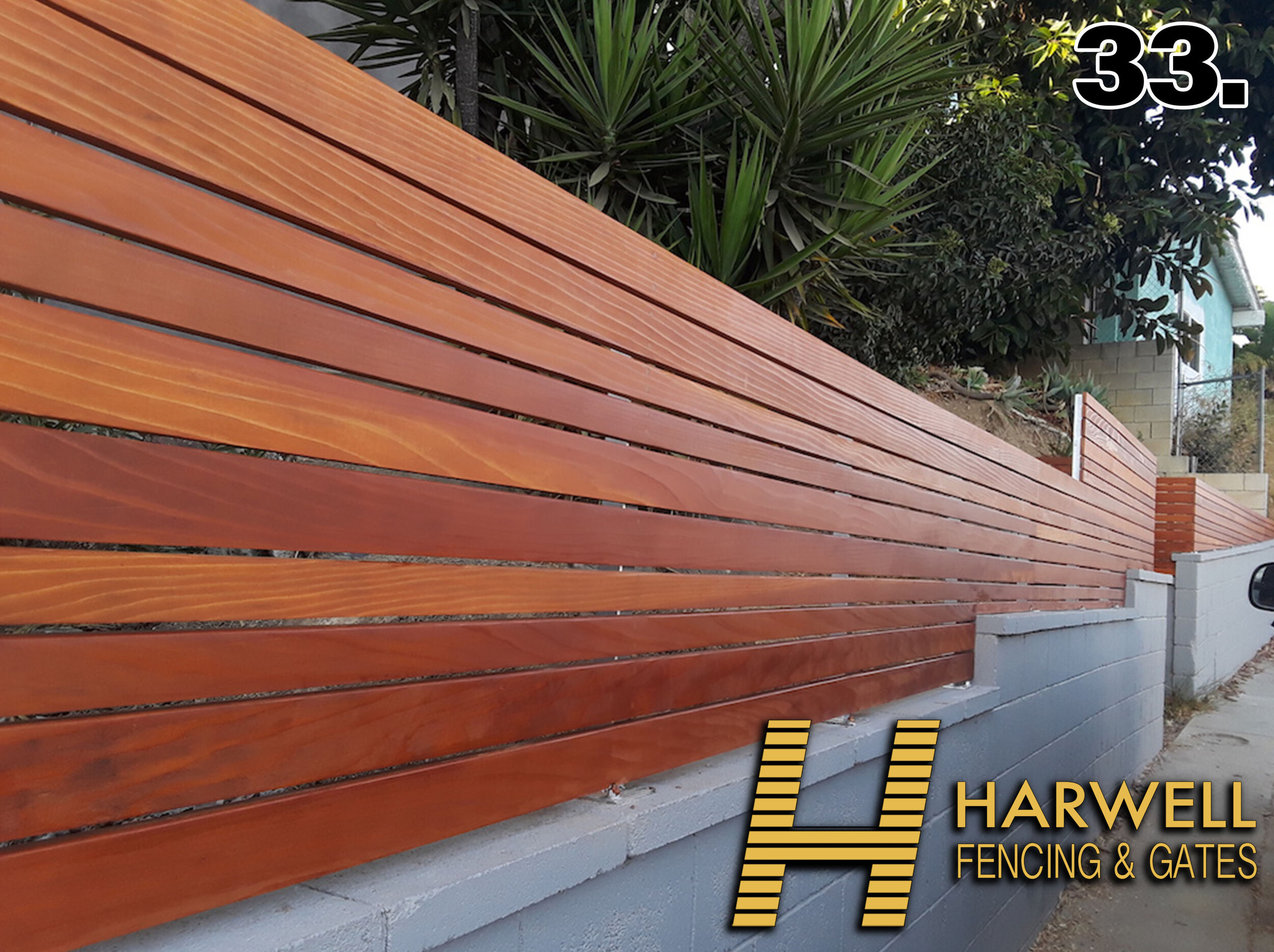


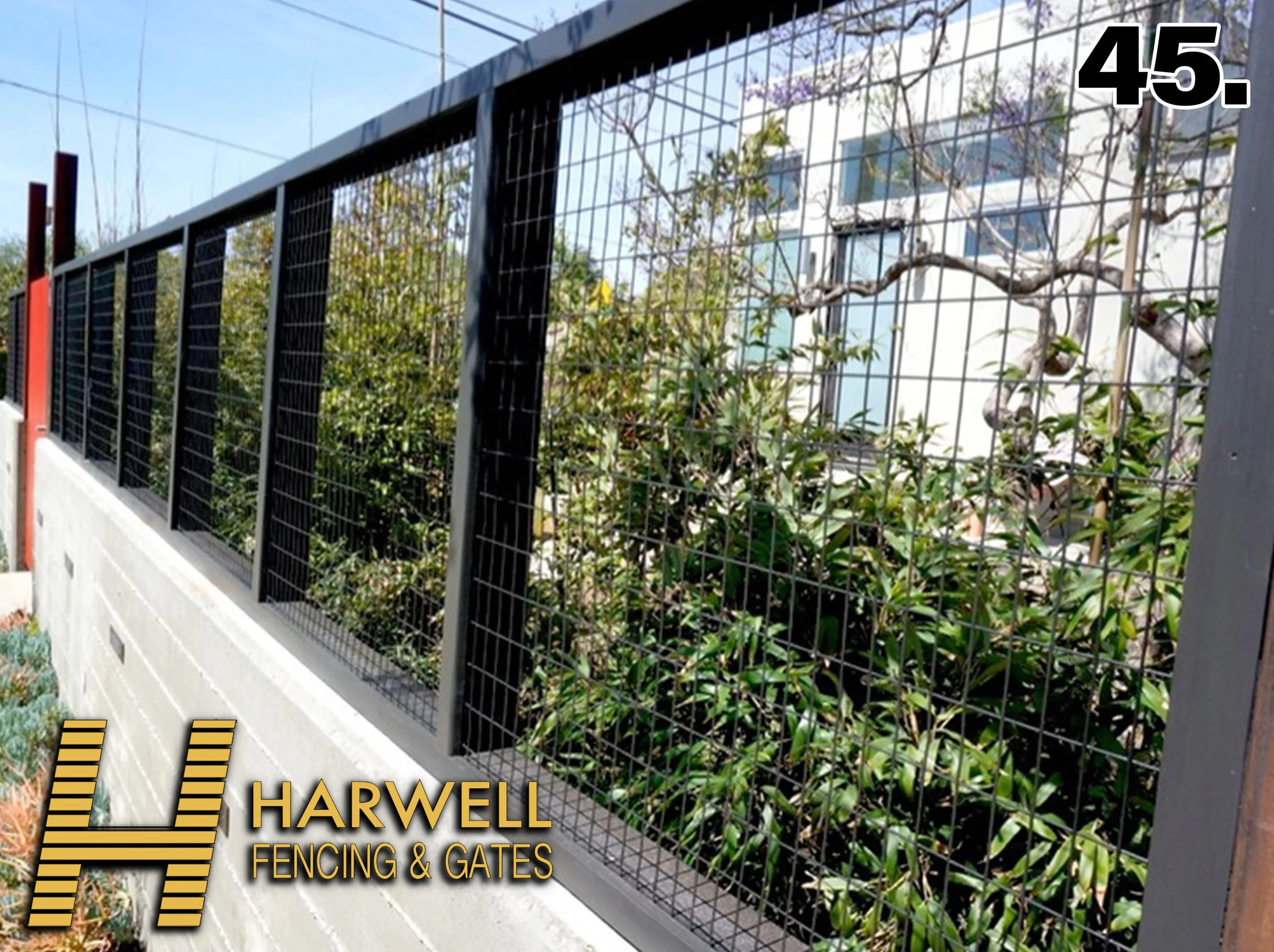


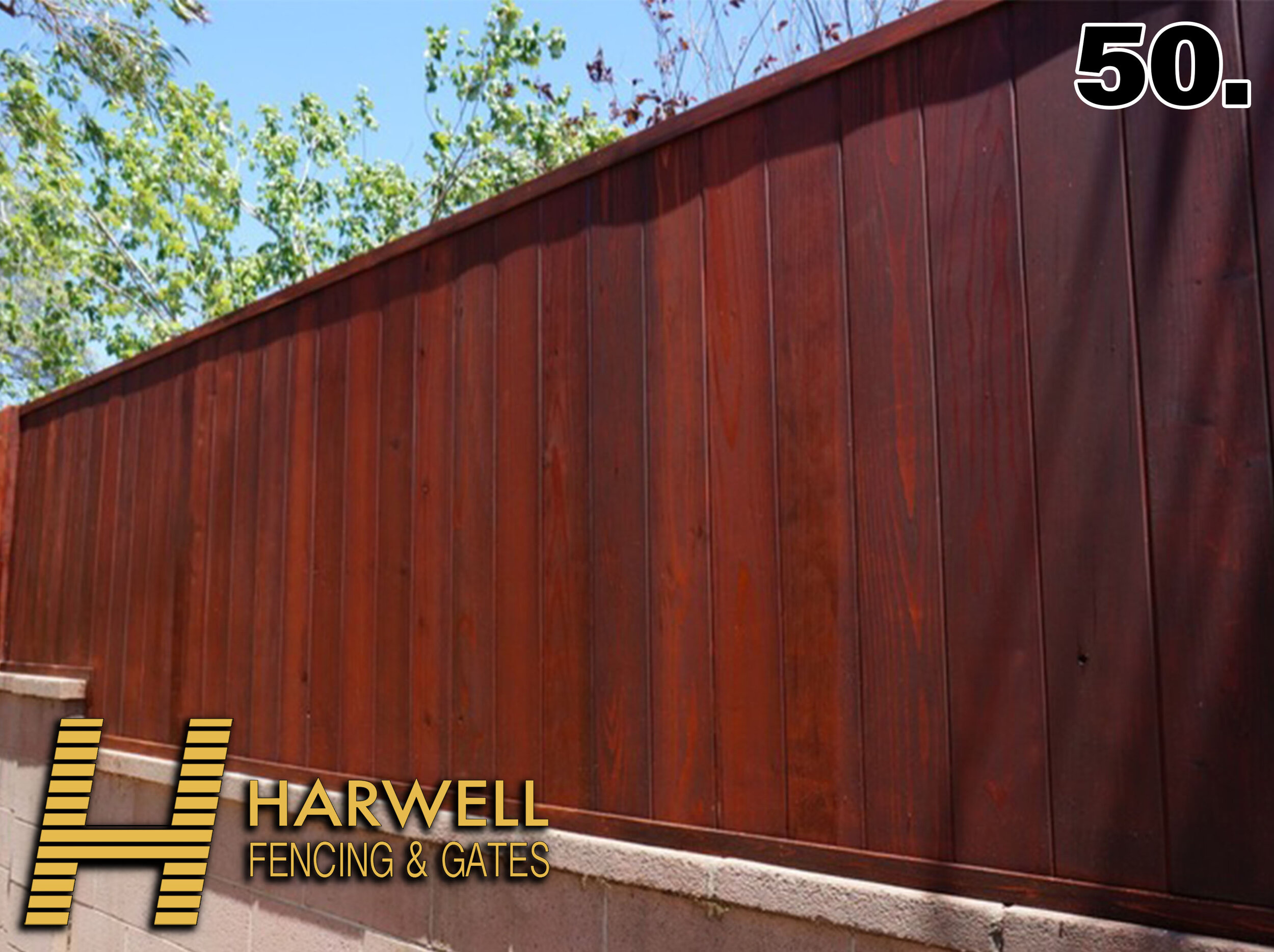


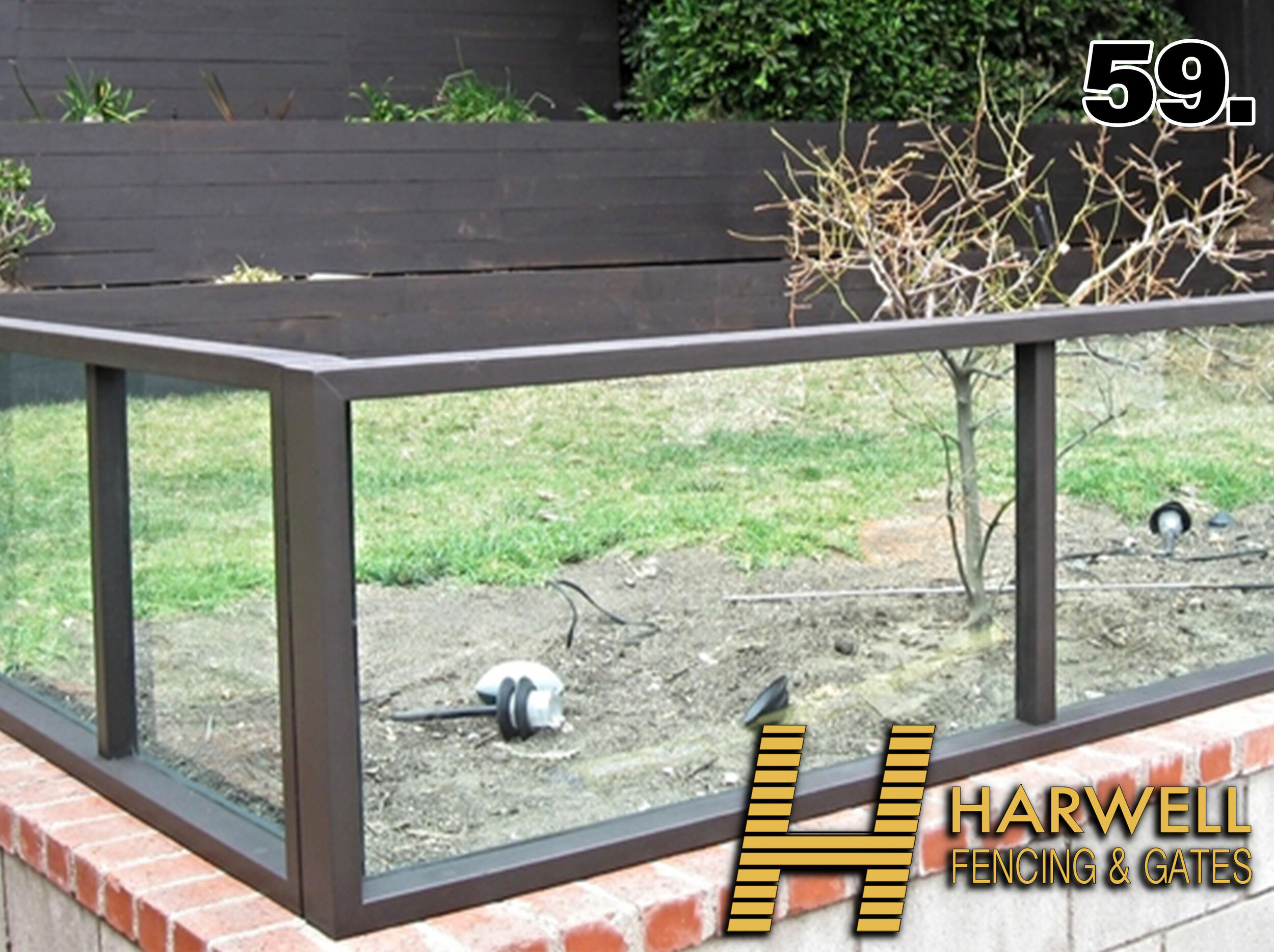


There are so many block walls the back yard that are built at a low height?
We all need more privacy, so why not add a privacy wall extension to change the energy of the yard?
More privacy = More peace of mind. It is pretty amazing what happens when you extend the height of your block wall.
Wall Topper Questions
Adding height and privacy to an existing masonry wall — what it costs, how much height you can add, and what makes a wall a good candidate.
What is a wall topper, and why add one?
A wall topper — also called a wall extension — is a wood panel section built on top of an existing masonry or block wall to add height and screening without replacing the wall itself.
People add them for one of three reasons: a neighbor's second-story addition now looks into the yard, a wall that was tall enough decades ago no longer blocks the street, or the block wall is structurally sound but visually dated. In all three cases the wall is doing its job — it's just too short.
How much does a wall topper cost in Los Angeles?
Toppers are quoted per project after we've looked at the wall. Height added, length of the run, wood grade, and the condition and construction of the existing wall all affect the price.
In most cases a topper costs considerably less than rebuilding the wall taller, because the existing structure and its foundation stay in place. Request a free estimate and we'll assess the wall on site.
How is a wall topper different from replacing the whole fence or wall?
You keep the structure you already paid for. There's no demolition of masonry, no hauling of block and concrete debris, no re-excavating a foundation, and no period where the property sits open.
That makes it faster and substantially less expensive than a rebuild. The tradeoff is that you're working within the existing wall's line and condition — if the wall is cracked, leaning, or failing, a topper isn't the answer, and we'll say so rather than build on it.
How much height can I add to an existing wall?
Two limits apply, and the stricter one wins.
Code. Your city measures total height from grade — the wall and the topper together, not the topper on its own. Across most of the LA area, back-yard boundaries run 6 to 8 feet and front-yard limits are much lower, typically 42 inches. Limits vary by municipality and we confirm the rules for your address before designing.
The wall. Its thickness, condition, and footing determine how much added height and wind load it can carry. We assess that on site before committing to a height.
Will a topper damage or weaken my existing masonry wall?
Not when the wall can carry the load and the topper is anchored correctly — but not every wall is a candidate, and that's the honest answer.
What matters is the wall's condition and footing, and how the added height and wind load transfer into it. A topper acts like a sail: it catches wind the bare wall never had to resist. We inspect the wall before committing to an approach, and where a wall can't safely take it, setting posts independently behind the wall gets you the same result without loading the masonry at all.
What materials and wood types do you use for wall toppers?
The same materials we use for fencing: redwood for the visible boards, pressure-treated lumber for framing, and corrosion-resistant hardware throughout.
Options run from pressure-treated lumber, which resists insects and moisture at the best value, through common and clear redwood, up to conheart redwood for the strongest natural rot resistance. Every project gets two coats of stain. Toppers sit high and fully exposed, so sun and wind hit them harder than a fence at ground level — this is a place where solid stain is worth the tradeoff.
Do wall toppers help reduce street or neighbor noise?
Somewhat, and it's worth being honest about how much. Blocking a direct line of sight to a noise source reduces how loud it feels, and added height with solid panels does that.
But real noise reduction is a function of mass, and a wood panel doesn't have much of it. Expect a noticeable improvement in perceived noise, not soundproofing. If noise is the primary goal rather than privacy, tongue-and-groove or tightly spaced boards will outperform a gapped design.
Do I need my neighbor's approval to add a topper to a shared wall?
It depends on who owns the wall. If it sits on the property line or was built as a shared boundary, your neighbor has an interest in it and changes should be agreed before work starts. If the wall is entirely on your property, it's your call.
Either way, our recommendation is to talk to your neighbor before you talk to us. Shared boundary work goes far more smoothly when both sides know what's coming, and it's much easier to sort out before a crew is scheduled.
How long does a wall topper installation take?
Usually faster than a comparable fence build. Mounting to an existing wall removes the excavation and footing work that causes most of the delays on a fence project.
Run length, height, and access set the rest of the schedule. We give you a timeline with your bid. See our wall topper projects.
Still have a question? See our full FAQ or request a free estimate — 310-736-2674