

Top Horizontal Fence Installation Company in Los Angeles
Modern Fences - Custom Fences - Horizontal Fences - High Quality Fences
Horizontal Fence Contractor in
Santa Monica
Modern Fence Installation in West Los Angeles

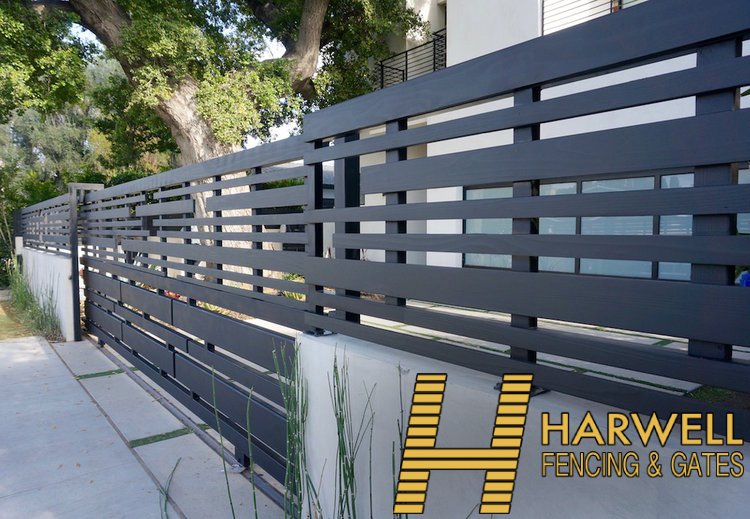
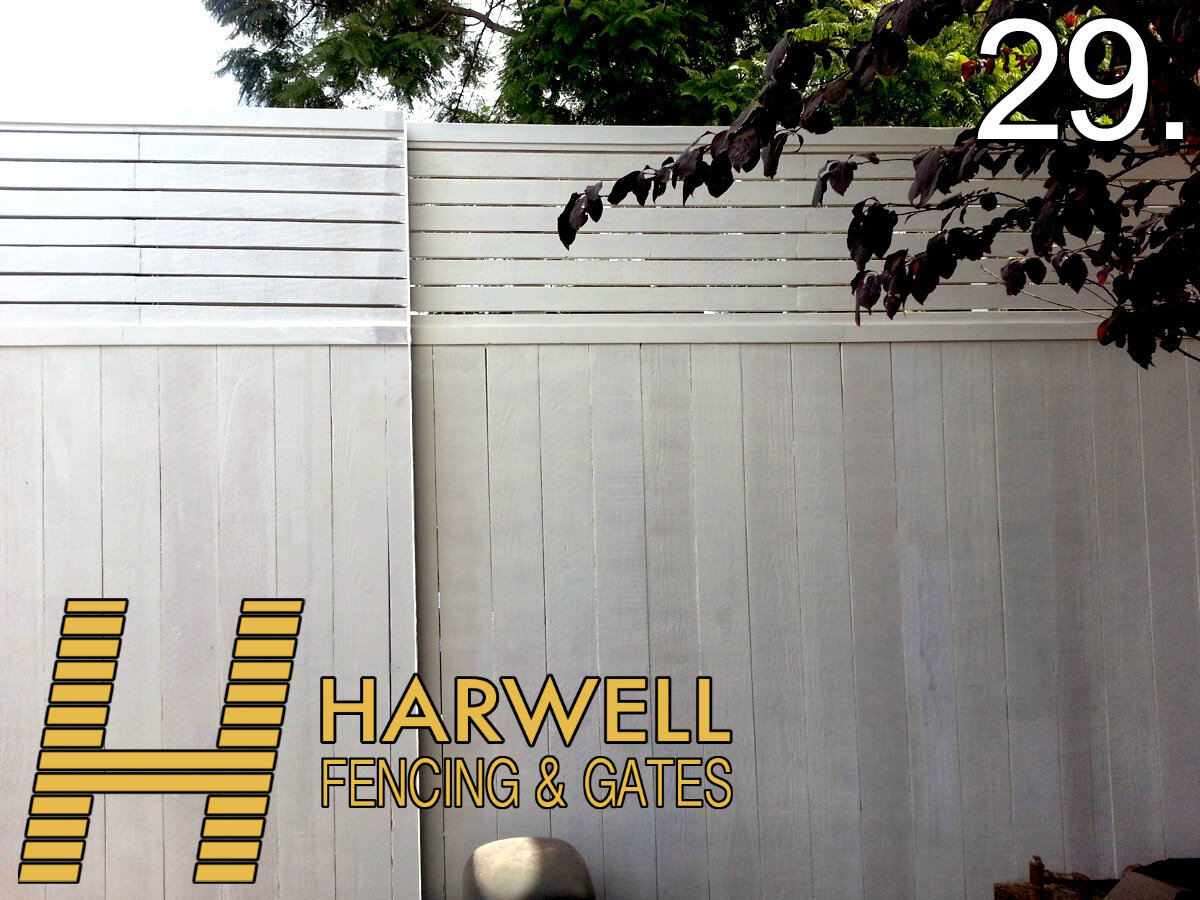
Fences make your property pop. You can create a fence that makes your home stand out or go with something a little more subtle. In Santa Monica, Venice areas...Modern, horizontal, vertical, craftsman, alternating or trimmed, it all looks great with the proper finish. This finishing is our specialty. In the Pacific Palisades area, right next to the ocean, these finishing techniques outlast any other product out there.
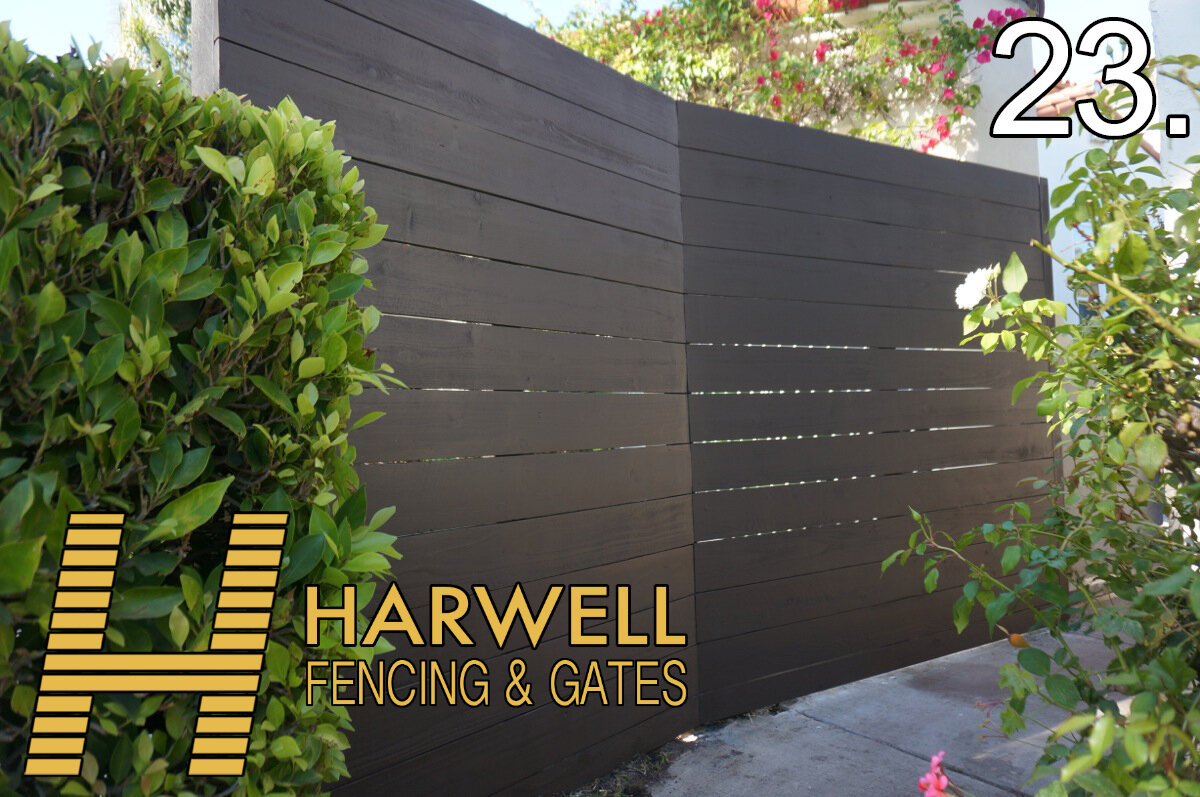
On all of our modern fences we pre-stain the frames and boards at our workshop to ensure they are sealed against the elements. We make certain every inch of the fence or gate is sealed up tight using two coats of sealant prior to any installation. This wood stain will last 3-10 years, depending on formula choice: transparent, solid, etc.
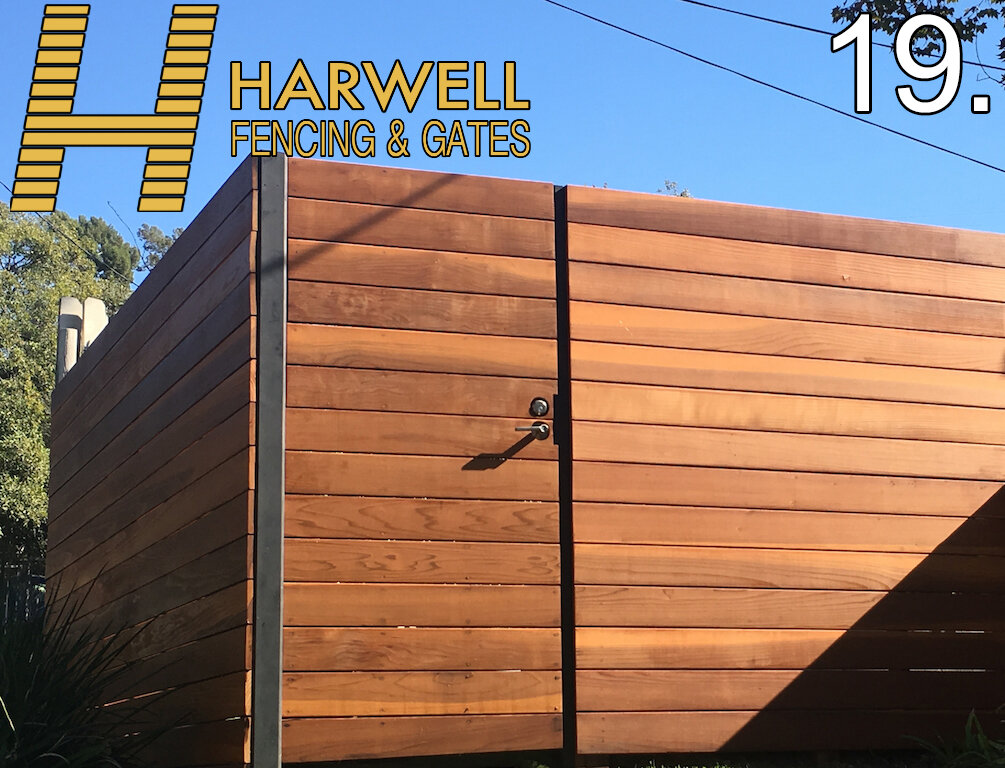
Wood types vary, but most of the wood we use is Clear Redwood. Regular boards as well as tongue and groove. On occasion we also use Clear Cedar. The clear in both means that there are not andy knots in the wood and is also very dry. This prevents the fence boards from shrinking or cracking compared to the common redwood that is used in our Mid-Range fences. In the Santa Monica, Pacific Palisades areas, the tongue and groove boards do last quite a bit longer than other wood.
If you need an automatic gate opener for your gate, or possibly an intercom system at your front door, give us a call. We do all types of custom installation
We Also Design & Build:
Includes the high-end staining process that we specialize in
+ All pressure treated (Termite Resistant) posts and framework
*Steel frames are an option, but are a the highest price
310-736-2674















Horizontal Fence Questions
What horizontal costs, which wood holds a straight line, and how these fences hold up in Los Angeles sun and coastal air.
How much does a horizontal fence cost in Los Angeles?
Horizontal fencing is quoted per project rather than off a fixed rate, because the cost drivers vary far more than they do on a standard vertical fence.
Height, wood grade, board spacing, the length of the run, and site conditions all move the number, and a horizontal build costs more per linear foot than a comparable vertical one for the structural reasons below. Request a free estimate and we'll price your specific run.
Why do horizontal boards cost more than a standard vertical fence?
Three reasons, and they're all structural rather than cosmetic.
- Posts sit closer together. A horizontal board spans between posts with nothing underneath it, so the spacing has to be tighter to prevent sag. More posts means more digging, more concrete, more labor.
- Board selection is stricter. A slight bow is invisible on a vertical board and obvious across a horizontal run. We pull straighter stock, and that stock costs more.
- Tolerances are tighter. Horizontal lines expose every inconsistency in level and spacing, so the build takes longer to get right.
What wood do you use for horizontal fences?
Redwood for the visible boards and pressure-treated lumber for posts and framing.
Redwood is the right choice horizontally because it's dimensionally stable — it holds a straight line as it dries instead of cupping or twisting the way cheaper softwoods do. Pressure-treated framing handles the ground contact and moisture, where rot actually starts.
What does "clear" redwood mean, and why does it matter?
Clear redwood is heartwood milled free of knots. Common redwood contains knots and sapwood and costs less.
Knots matter more on a horizontal fence than anywhere else. They're weak points where a board is most likely to bow, crack, or split, and on a long horizontal run that movement is visible from across the yard. If the fence is a design feature rather than a boundary, clear redwood is where the money goes furthest.
Tongue and groove or spaced boards — which should I choose?
It comes down to how much you want to block.
- Tongue and groove: boards interlock with no gaps. Full privacy, a solid wall of wood, and the more expensive option. It also catches more wind, so the framing has to be built for that load.
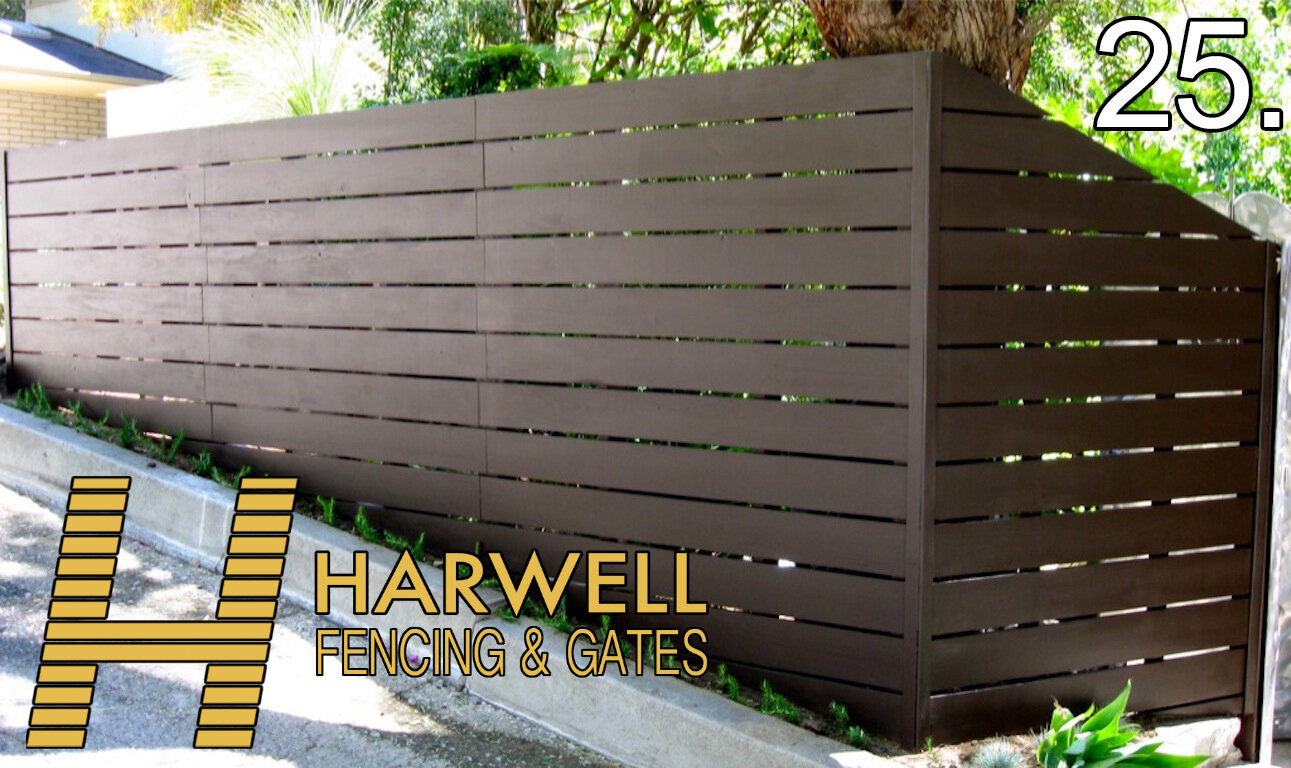
- Spaced boards: a consistent gap between each board. Light and air pass through, the yard feels less closed in, and it costs less. From most viewing angles the gaps still block sightlines — angle matters more than gap size.
If privacy is the goal but you don't want a wall, spaced boards with a tight gap usually get you both.
Will horizontal boards sag or bow over time?
They can, and it comes down to three things we control at build: post spacing, board thickness, and stock selection.
Sag on a horizontal fence is almost always a post spacing problem — boards spanning too far with nothing supporting the middle. We tighten spacing on horizontal builds specifically for this reason. Straight, well-dried stock and two coats of stain, which slows the moisture swings that cause warping, handle the rest.
How does a horizontal fence hold up near the coast?
Salt air and constant UV are harder on the finish than on the wood itself. Solid stain outperforms transparent in those conditions, and corrosion-resistant hardware prevents the rust streaking you get from standard fasteners — which shows badly against a clean horizontal line.
Within a few blocks of the water, expect a shorter refinishing cycle than you would inland. We plan for this at the design stage in Santa Monica, Venice, and Marina del Rey.
How tall can a horizontal fence be in my front yard?
Across most of the LA area, front-yard fences are capped at 42 inches and back-yard fences can run 6 to 8 feet. Limits vary by municipality.
If you want more height in front, we can often build above 42 inches using a design that maintains at least 50% visibility — spaced horizontal boards are one of the better-looking ways to satisfy that requirement. We confirm your city's rules before finalizing any design.
How long does the finish last before it needs re-staining?
Solid stain lasts longest, typically 5 to 7 years with two coats. We use a decking formula built for high-traffic exterior conditions. Transparent stain lasts 2 to 4 years depending on sun exposure and costs slightly more, because the application requires more skill to avoid blotching. Behr is our preferred brand on most projects.
South and west-facing runs weather fastest. When it's time, we also handle sanding and refinishing rather than replacement.
Still have a question? See our full FAQ or request a free estimate — 310-736-2674