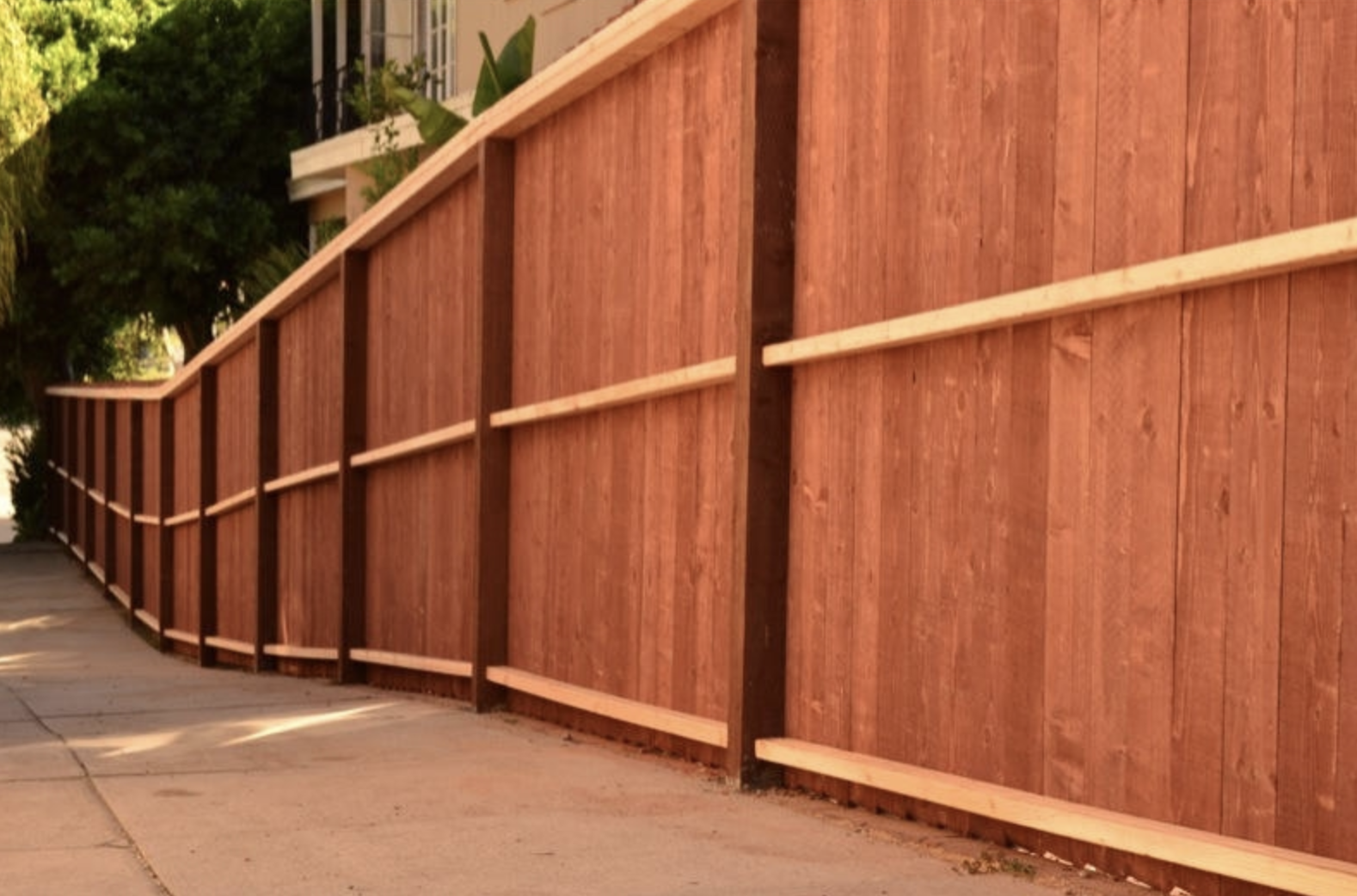
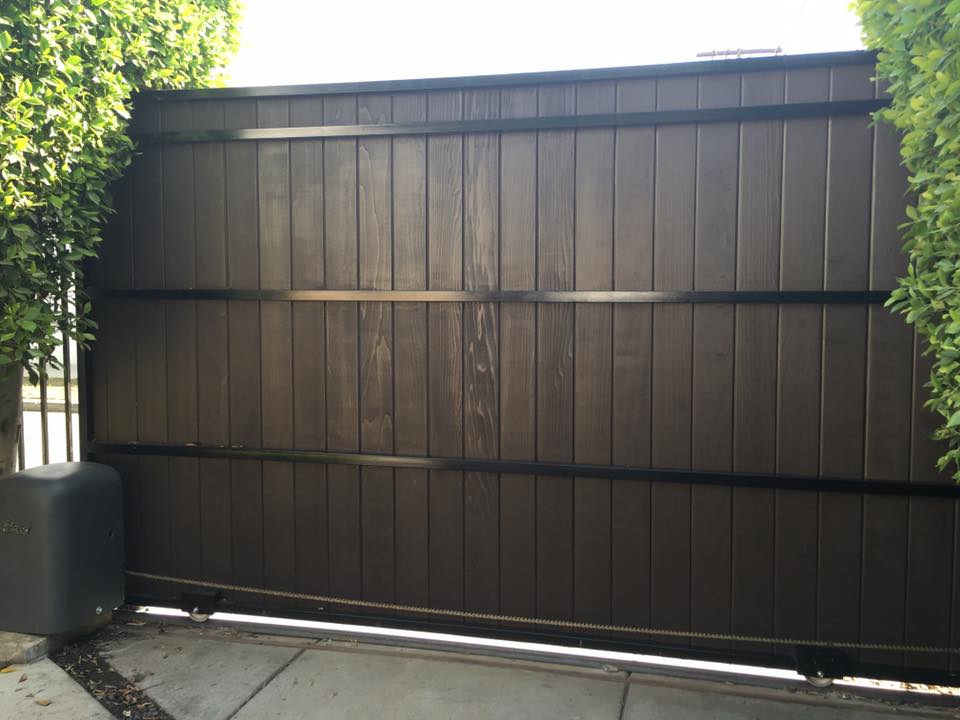
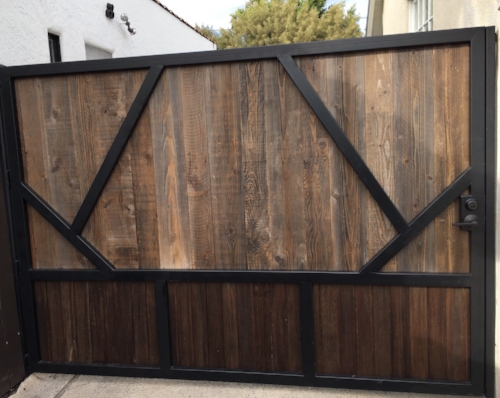
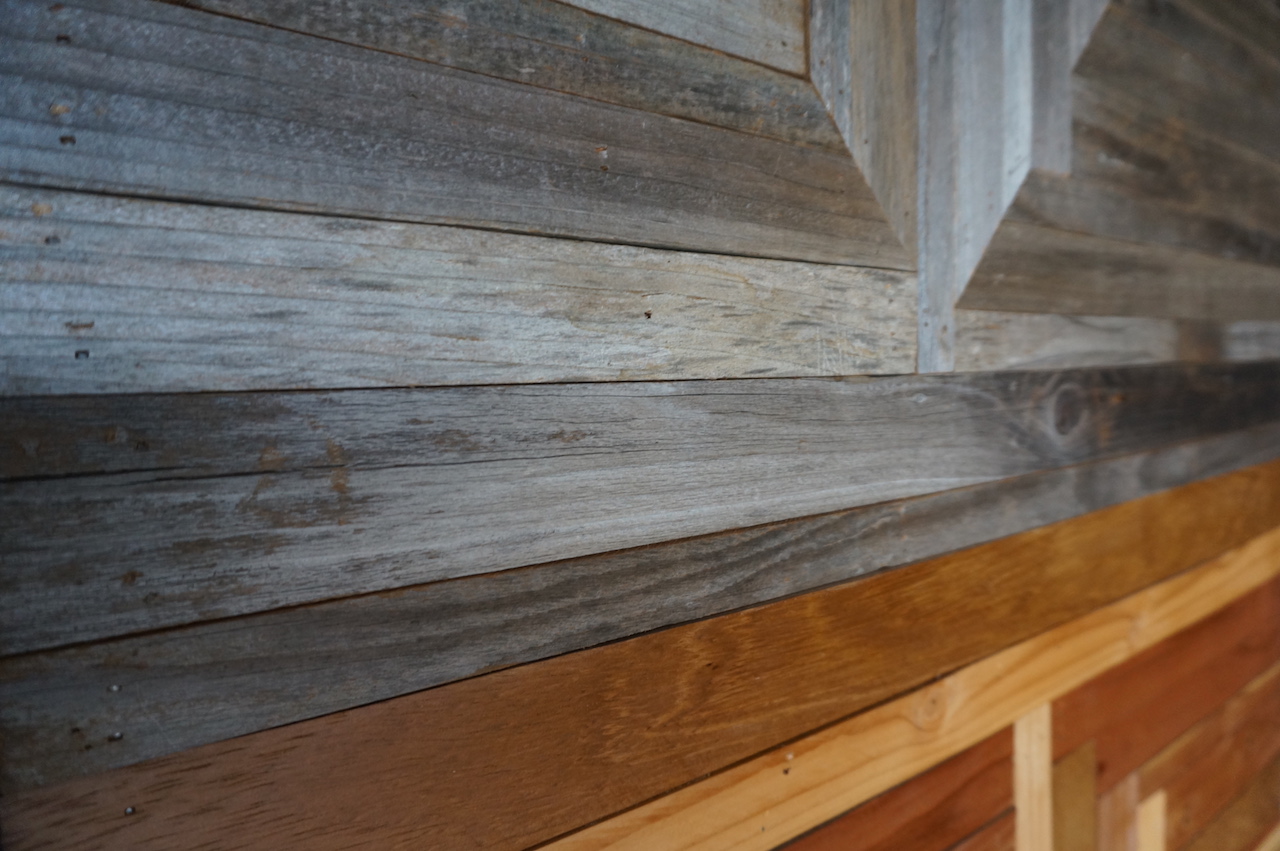
Questioning whether to repair or replace your fence?
Many homeowners start out by weighing the costs. Repainting or repairing a fence is cheaper and easier than an all-out replacement—at least in the short term. Sometimes, replacing your fence is the better choice. Maybe your fence has worn out its welcome and will continue to need extensive repairs, or maybe you’d like to update the style or placement of your fence.
In this article, we’ll discuss tips for evaluating your fence’s true condition. You can then make an educated decision whether to repair your own fence, hire a professional to repair your fence, or choose a replacement fence.
Fence problems with easy repairs
Some fence problems can be fixed with simple repairs. Let’s review common issues with wood, vinyl, and aluminum fences that aren’t signs you need to replace your fence.
Common wood fence problems
As a natural material, wood can be a little more damage-prone than synthetic materials. The elements can take their toll, and insects, moisture, and other environmental factors may affect your wood fence. Signs your fence need repair include discoloration, warping, or splintering. If you notice these things, you should carefully inspect your fence to determine the cause of damage and if you can mitigate it with a solution like redirecting pooling water or exterminating wood destroying insects.
To repair your wood fence, you can patch small holes and cracks with wood filler or putty. For warping or more severe damage, it’s best to replace the affected boards or rails.
The downside of both of these repairs is that they will be visible, at least for a while. Wood filler can be concealed if you paint your fence but will otherwise show forever. A new board will likely look different in color but may weather in time to a similar patina as your old fence. If your fence will be painted after repair, neither of these options have drawbacks!
Common aluminum fence problems
Aluminum fences are very durable, but parts may need occasional replacement or attention. Like with vinyl, an accident may damage your aluminum fence. Shifting soil can eventually loosen fence posts as well.
A loose post due to soil erosion can be steadied with some backfill of either soil or gravel. To repair damage to an aluminum fence, you may need to replace a section or an individual rail. Some aluminum fence repairs require the skill of a welder.
To steady a loose rail, a t-brace can make the area stronger and more functional. Be mindful of the color of the replacement part being used if you don’t plan to paint your fence after repair.
When it’s better to replace your fence instead of repairing
If you find any of these repair options to be too daunting, you can always opt for a replacement. There are times when replacing a fence makes more sense because amounts of the time, money, and effort required to repair it are too great. If your fence needs a major overhaul, here’s a good rule of thumb: if you have to replace more than 20% of the fence panels or pickets, it’s time to replace the entire fence.
Keep in mind that replacing fence posts is also more difficult and expensive than replacing pickets or panels because the posts need to be dug out of the ground, and often, they’re mounted in cement. If you have several fence posts in need of replacement, consider an entire fence overhaul. If your fence is very old, it may have simply worn out its lifespan, and replacement parts may no longer be available from the manufacturer. With proper maintenance, your fence should be expected to last anywhere between 20 to 50 years, depending on the material. If your fence is older than you are, it’s probably time for a new one!
Damage isn’t the only reason to replace your fence. If your fence doesn’t provide enough privacy, isn’t high enough to stop your dog from escaping, or otherwise falls short of a necessary function, it’s time for a new one! Wanting to change the style of your fence is also a perfectly valid reason to get another. While replacing a fence is costlier than repairing or repainting, it’s sometimes worth it to get the fence you really want.
Maintain your fence so you don’t need to replace it!
You should always stick to the recommended maintenance for your fence to make sure it lasts as long as possible.
For wood fences, this often includes staining and sealing annually or every other year. Vinyl fences may only need to be washed off with a hose.
Maintaining your fence may also mean making careful choices about landscaping (growing vines on a fence may harm it) and checking your fence for damage regularly. By making small repairs when needed, you can extend the life of your fence so you don’t need to replace it.
Need a replacement fence in West Los Angeles or Santa Monica area?
Harwell Fencing & Gates has you covered with a full inventory of wood fences and a team of installation experts.
If it’s time for a change, stop by our location at 5555 West Washington Blvd, Los Angeles Ca 90016 or contact us today about your replacement fence!
Frequently Asked Questions
Thoughtful answers to real questions homeowners ask before investing in a fence or gate
1. How do I decide whether to repair or replace my fence?
Evaluate the overall condition, cost of repairs, and how much of the fence is damaged.
2. Is repairing a fence cheaper than replacing it?
Yes, repairs are usually cheaper in the short term compared to full replacement.
3. When is it better to replace a fence instead of repairing it?
If more than 20% of the fence is damaged, replacement is often the better option.
4. What are common signs that a wood fence needs repair?
Discoloration, warping, splintering, and minor cracks are common signs.
5. Can small damage to a wood fence be repaired?
Yes, small holes and cracks can be fixed with wood filler or putty.
6. What should I do if wood fence boards are severely damaged?
It is best to replace the affected boards or rails.
7. Are fence repairs always invisible?
No, repairs like filler or new boards may be visible, especially if not painted.
8. What are common issues with aluminum fences?
Loose posts, damaged rails, or sections due to impact or soil movement.
9. How can I fix a loose fence post?
You can stabilize it by adding soil or gravel backfill around the base.
10. Can aluminum fence damage be repaired?
Yes, damaged sections or rails can be replaced, sometimes requiring professional help.
11. Do I need a professional to repair my fence?
For complex repairs like welding or structural fixes, hiring a professional is recommended.
12. How long does a fence typically last?
A fence can last 20 to 50 years depending on the material and maintenance.
13. Should I replace my fence if it is very old?
Yes, if it has exceeded its lifespan or parts are no longer available.
14. What if my fence no longer provides enough privacy?
Replacing the fence with a more suitable design is a good option.
15. Can fence replacement improve functionality?
Yes, a new fence can better meet your needs for privacy, security, or style.
16. Is replacing fence posts difficult?
Yes, replacing posts is more complex and costly because they are often set in concrete.
17. How can I extend the life of my fence?
Regular maintenance like staining, sealing, and inspections can help.
18. What maintenance does a wood fence require?
Wood fences need staining or sealing every year or two.
19. How do I maintain a vinyl fence?
Vinyl fences usually only need occasional cleaning with water.
20. Why is regular fence maintenance important?
It helps prevent major damage and delays the need for costly replacements.